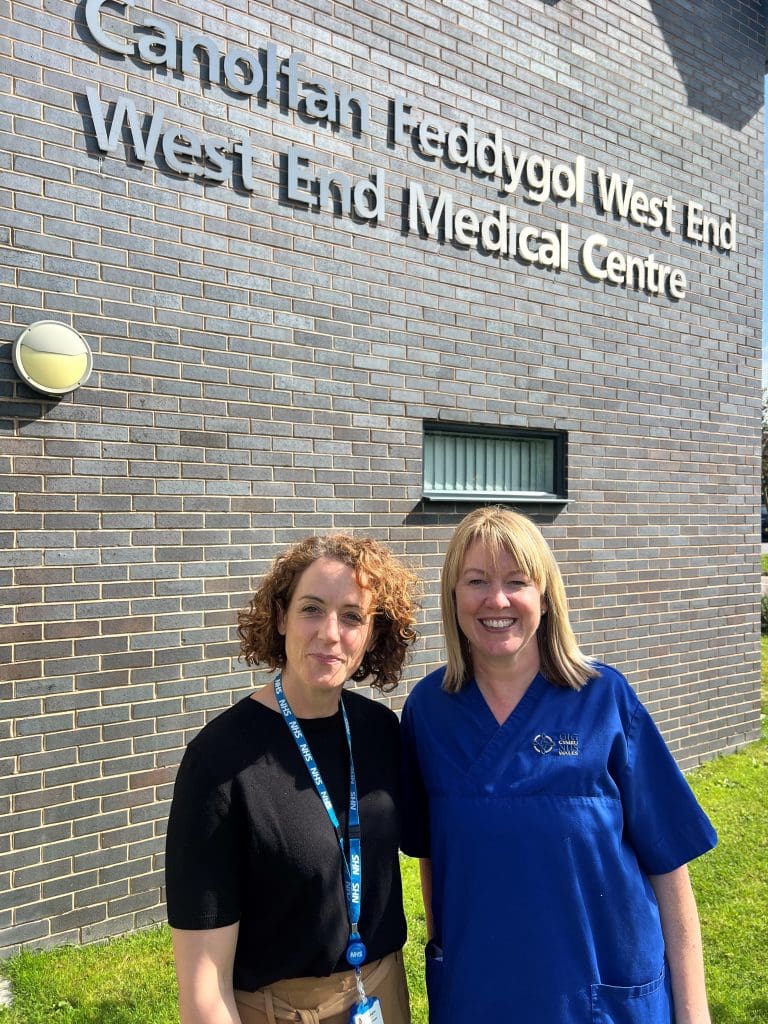


Lucie Parry and Nia Boughton
Betsi Cadwaladr University Health Board
Background
- The Women’s Health Plan for Wales aims to better meet women’s health needs and reduce inequalities.
- Many women delay seeking help until a crisis point or feel their concerns are not fully heard.
- Improving the quality of first contact is essential.
- Every woman should receive a comprehensive post-natal check after childbirth.
- Supporting timely health-seeking behaviour strengthens the wellbeing of women and their families.
“It’s not good talking as people judge you as a mother and think you cannot cope.”
Aims and Objectives
- To develop a comprehensive biopsychosocial assessment process to transform the historic 6/52 week postnatal check into an opportunity to address the full health needs of women at a key point in their lives.
- To set up, test and evaluate the service.
- To establish a framework/toolkit for other practices/clusters to be able to initiate the women’s health service themselves in the future.
Approach
- Offered a post-natal check to all women following childbirth.
- Placed particular emphasis on engaging groups who are typically less likely to access services.
- Co-designed the clinic questionnaire with women to ensure relevance and clarity.
- Set up a multi-agency project group to guide and support delivery.
- Issued the questionnaire to all women before their clinic appointment.
- Provided follow-up after the clinic where required.
Outcomes
A new 6-week post-natal check service was established and delivered for all women attending with their baby, focusing on the needs of the woman, the infant, and the wider family.
What Women Most Commonly Sought Support with:
- Low mood.
- Historic physical or mental health issues.
- Loneliness.
- Anxiety.
- Feelings of guilt.
- Poverty-related pressures.
- Sexual health.
- General women’s health concerns.
Impact
For Women
- 128 women attended the post-natal clinic.
- Health visitors arranged appointments with 12 difficult to contact women.
- The DNA rate was 0.
- 65 women were contacted as follow up by phone or text.
- 42 women attended for face to face follow up appointment.
For Nurses
- Increased role satisfaction.
- Training and development.
For the Service
- Streamline processes.
- Awareness where to refer women.
For the System
- Economic benefits.
- Supporting women to reach full potential.
“I have never mentioned this in 10 years but I feel I can talk to you.”
“Thanks for listening and your help. I didn’t know if I should just get on with it.”
“What? You can help with contraception and everything else?”
Conclusions
- Targeted approaches led to more women attending and engaging with post-natal checks.
- Earlier identification of concerns ensured timely support and safer care.
- Streamlined pathways reduced duplication and avoided unnecessary appointments.
- Upskilling nurses delivered measurable cost benefits and improved service sustainability.
- Embedding evidence-based practice was central to achieving meaningful, lasting change.