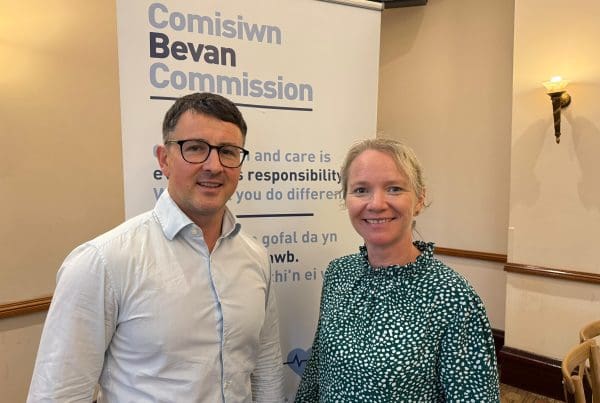


Bethan Lloyd and Rachel Herrick (HDUHB), Geraint Scales (North Ceredigion GP Cluster), Jackson Reynolds (South Ceredigion GP Cluster) and Eleri Davies (Carmarthen (Teifi/Taf) GP Cluster)
Hywel Dda University Health Board
Background
There is a high prevalence of psychological and emotional distress within women’s health pathways which severely impacts wellbeing, mental health, social, relationships and occupational functioning. For example:
- Studies have shown up to 86% with endometriosis suffer with depression
- 25% women with menopausal symptoms experience depression, anxiety and cognitive difficulties
Psychology within Women’s Healthcare in Wales is absent, however the NHS Wales Women’s Health Plan calls for improvements in psychological care.
Aims and Objectives
- Pilot an innovative model of healthcare to improve psychological distress within Women’s Health.
- Support the priorities of the NHS Wales Women’s Health Plan by strengthening access to psychological support.
- Increase understanding of the extent and nature of mental health difficulties within this patient group.
- Assess efficacy of psychological approaches in Women’s Health.
- Assess acceptability of a digital delivery model to reduce health inequalities.
- Demonstrate value-based outcomes.
- Shape recommendations for an appropriate service model and workforce for future planning.
Approach
- A collaborative initiative between Hywel Dda UHB Clinical Health Psychology and three GP Clusters secured two-year funding to design, implement, and evaluate a novel psychology pathway.
- Referrals were accepted across all tiers of care, including self-referrals, for individuals experiencing psychological difficulties related to any gynaecological condition or menopause-related symptoms.
- Tailored individual and group interventions for menopause and pelvic pain were developed and delivered.
Outcomes and Impact:
- A total of 163 referrals were accepted across a broad spectrum of gynaecological and menopause-related conditions. Age range from 20 to 74 years (fig. 1). The highest referral volumes were for Menopause, Pelvic Pain, and Endometriosis, highlighting significant unmet psychological need in these cohorts. Figure 2 illustrates the distribution of referrals, reinforcing the demand for integrated psychological support in women’s health.
- The service successfully engaged individuals with complex presentations, demonstrating its relevance and reach across diverse clinical pathways.
Mental health difficulties were significant at assessment (fig 3):
- 53% met clinical thresholds for depression.
- 81% met clinical thresholds for anxiety.

Figure 1: Age range of referrals

Figure 2: Distribution of referrals

Figure 3: Severity Categories of Anxiety and Depression at Initial Assessment
Clinical Outcomes: PROMS
Psychological interventions delivered through the pilot led to clinically significant improvements in mental health (fig. 4), with significant changes in measurements of depression and anxiety. Positive changes in pain management, perceived health status and quality of life were all obtained. These outcomes demonstrate the effectiveness of integrated psychological care in addressing complex needs within women’s health.

Figure 4: Measured Impact – Pre vs Post
Value Based Healthcare
Resource-releasing benefits were achieved by easing pressures in gynaecology, pain, mental health, and unscheduled care services. Notably, three women who had frequently attended A&E did not return following engagement with the service demonstrating positive behaviour change in managing pelvic pain exacerbations.
Patient Experience
- Extensive positive feedback was received throughout the pilot.
- 100% of respondents to the Family and Friends Test (FFT) said they would recommend the service.
- Written feedback highlighted the value of accessible, compassionate, and specialist psychological care tailored to women’s health needs.
- This reflects strong patient satisfaction and supports the case for sustained investment in holistic, psychologically informed care pathways.
Conclusions
- The Women’s Health Psychology Service pilot demonstrated clinical effectiveness in improving mental health, pain management, and overall quality of life.
- The service delivered resource-releasing benefits across gynaecology, mental health, pain services, and A&E.
- With 92% of psychological input delivered via video platform, the pilot showcased a strong digital model that enhances accessibility and helps reduce health inequalities.
- The pathway offers an efficient, scalable solution to address unmet needs in women’s health by integrating holistic psychological care into existing services.