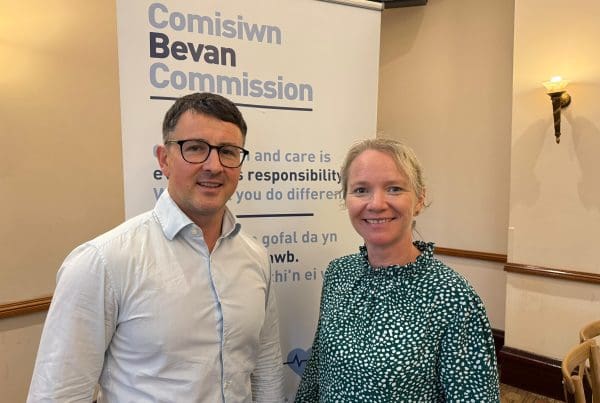


Rebecca Lloyd, Sheena Lam and Mau Don Phan
Swansea Bay University Health Board
Background
Radiotherapy is used to treat over half of all cancers. Yet even with advanced techniques, healthy tissues can’t be fully spared leading to toxicities. Late effects, which may emerge months or years after treatment, impact over 500,000 people living with and beyond cancer in the UK, posing a significant and often under-recognised burden.
Currently there is no dedicated service in Wales to manage patients with the long-term side effects of radiotherapy. Patients often present multiple times to various health professionals with symptoms and time to effective treatment can take many months to years.
Aims and Objectives
- Develop a radiographer-led late radiotherapy effects service piloting review of patients who have received prostate pelvic radiotherapy at least 6 months prior.
- Early Identification: Recognise patient needs early and raise awareness of late effects and support options.
- Reduce Clinical Burden: Ease pressure on oncology and primary care teams through timely, specialist-led follow-up and scope out care pathways.
- Cost Efficiency: Minimise unnecessary appointments and investigations.
- Improve Quality of Life: Provide treatment, referrals, and self-management strategies for late side effects.
- Raising awareness: Promote understanding of late effects and referral pathways across the wider healthcare team.
Approach
- A weekly clinic.
- Flexible access via face-to-face or telephone consultations.
- Patients equipped with self-management techniques, resources and initial treatment started when necessary.
- Referrals were made to relevant specialities for treatment or investigation.
- PROMS was used to collect data and provide quality of life at baseline and at 6 months.
Outcomes and Impact
A pilot late radiotherapy side effects service was established, and 24 patients were seen between March 2025 -September 25.
Patient Experience and Impact
- 62 % reported improvement in symptoms following tailored support and intervention.
- 70% reported improved quality of life.
- 87.5% found service beneficial.
- Time to access specialist care reduced to ¼ of previous timelines
“Thank you so much for listening to me, for over a year I knew something was wrong, even when doctors told me it was normal after cancer treatment.”
Patient diagnosed with bile acid malabsorption 19 months after radiotherapy completed.

Fig. 1 Ave. Improvement in quality of life score since being seen by the late radiotherapy effects – demonstrating a highly significant increase
Impact on Service
Reducing appointments with GPs and secondary care specialists. Removed the need for initial GP appointment and follow up via self-referral pathway, cost avoidance of £90 per patient.
Streamlined referral pathways, consistent follow-up and earlier intervention for all patients. Reduced the number of unnecessary tests and secondary care specialist appointments.
Cost Avoidance
Examples given below represent the management pathways taken of 2 patients who both developed long term rectal bleeding as a result of radiotherapy. Patient A had multiple appointments and tests, it took >1.5 years for correct treatment; under the pilot, similar cases were referred and treated within 2 months. Estimated cost avoidance of up to £900 per patient compared to traditional management pathways

Conclusions
- A radiographer-led late effects service is both feasible and effective, filling a critical gap in survivorship care.
- It reduces time to specialist intervention, improves symptom control, and enhances patient quality of life.
- The model offers cost savings and eases pressure on oncology, primary care and secondary care teams.
- Patient testimonials highlight the emotional and practical value of timely, tailored support.
- The service shows strong potential for scaling and integration into routine follow-up pathways.