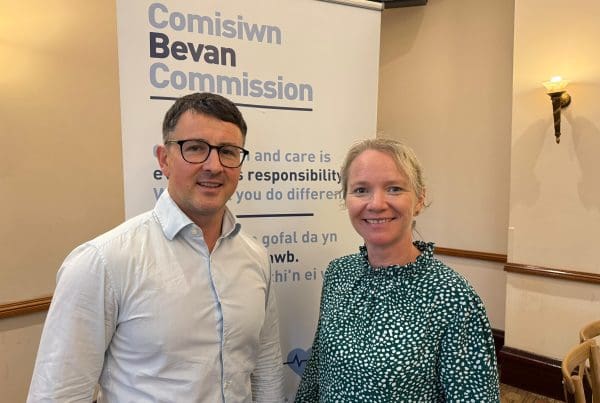


Tanya O’Sullivan and Renee Groenevelt
Hywel Dda University Health Board
Background
Upper limb deficits are common in people with neurological conditions and significantly impact independence. Evidence recommends multidisciplinary, high-intensity rehabilitation, but these programmes are not routinely offered in HDUHB or elsewhere in Wales.
Key Barriers in this Rural Setting:
- Large geography (travel time/cost).
- Shortage of suitable outpatient neurorehabilitation settings.
- Limited staff resource, knowledge, and access to intervention tools.
The project aimed to overcome these barriers by developing a hybrid model combining face-to-face and virtual sessions to deliver high-intensity, multidisciplinary therapy.
Aims and Objectives
Aim
To develop, deliver, and evaluate a hybrid high-intensity upper limb rehabilitation programme for people with neurological conditions within a rural health board context, demonstrating that evidence-based, high-intensity programs are achievable and effective.
Key Objectives
Service Delivery: Co-design and deliver the 3-week intensive hybrid model.
Knowledge & Skill: Train and upskill staff in evidence-based assessments and interventions.
Self-management: Foster a long-term self-management approach using digital tools for remote monitoring.
Evaluation: Assess patient outcomes, self-efficacy, service efficiency, and potential for scale-up.
Approach
Co-design: Informed by a questionnaire completed by 47 clinicians and 3 focus groups with patients and carers.
The UPLIFT Hybrid Model (3-Week Intensive): Combines structured, high-intensity therapy through:
- One 6-hour in-person group session per week.
- Two remote video-based therapy sessions per week.
- One in-person home session per week with OT and PT.
Digital Platforms to enable self management:
- Patient Knows Best (PKB): Used as the digital hub for educational resources, communication, and issuing personalised weekly intervention plans to self manage at home.
- Virtual Reality (VR): Secured free loan of six NeuroVirt headsets for self-directed home practice, tracking usage and functional range of movement.

Example of timetable

Example of Patient Knows Best platform
Outcomes
Therapy Intensity: The hybrid model increased upper limb intervention time by 1025%, delivering a minimum of 22.5 hours/week of intervention.
Functional Gains (GAS): Two of the five measured participants exceeded expectations on the Goal Attainment Scale (GAS +2 score).
Physical Gains: Average grip strength increase of 4.52 kg in three weeks.
Quality of Life: Three participants reported an improvement in their quality of life.
Staff Development: All staff involved reported improved morale, enhanced teamwork, and increased confidence in delivering evidence-based interventions.
Impact

Financial Efficiency: Achieved a cost saving of £13,194.00 for six patients compared to a traditional face-to-face service delivery model.
Patient Experience: Patients reported positive experiences, highlighting peer support and feeling “given the skills and tools to continue” their rehabilitation.
Holistic Recovery: Significant improvements noted in independence, overall quality of life, and in cognitive function (reduced fatigue, better concentration).
“Seen huge changes to my affected limb, my wrist and hand is more useable and overall, more use. Improved mental health too.”
“Increasing ability to use affected arm in day-to-day activities. Feels like there is light at the end of the tunnel and a pathway back to a more “normal” version of me (even if the speed of progress often seems frustratingly slow).”
Conclusions
- The hybrid intensive upper limb rehabilitation programme is feasible and effective within a rural health context.
- The model delivered meaningful functional gains, improved quality of life, and resulted in high patient and staff satisfaction.
- The use of technology successfully supported efficiency and accessibility while maintaining therapeutic intensity, aligning with Prudent Healthcare principles.